
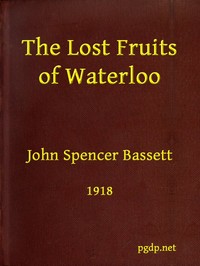
The Lost Fruits of Waterloo by John Spencer Bassett
John Spencer Bassett's The Lost Fruits of Waterloo picks up where most history books end. The guns fell silent in 1815, but the real story of the peace was just beginning.
The Story
Bassett focuses on the decades following the Battle of Waterloo, a period often glossed over. He argues that the Allied victory created a huge opportunity for the United States and Great Britain to reset their relationship. They had just fought side-by-side (sort of) against Napoleon. The old reasons for conflict seemed to be fading. But it didn't happen. Instead, the two nations spent the next 30 years in a tense standoff, filled with trade disputes, arguments over the Canadian border, and mutual distrust. Bassett walks us through key events and introduces us to the diplomats, politicians, and journalists on both sides of the Atlantic whose pride, old grievances, and conflicting visions for the future poisoned the well of peace.
Why You Should Read It
What I loved most was how human this history feels. It's not about abstract forces; it's about people making choices. You see American statesmen, still defining their young nation's identity, refusing to bow to British pride. You see British leaders, exhausted from war but clinging to imperial prestige, struggling to see the upstart United States as an equal. Bassett shows how fragile peace can be, even when everyone says they want it. The "lost fruits" weren't stolen by some grand conspiracy—they were fumbled away, bit by bit, through stubbornness and short-sightedness. It's a powerful reminder that winning a war is one thing, but building a lasting peace is a whole different challenge.
Final Verdict
This book is perfect for anyone who enjoys history but wants to look beyond the battles. It's for the reader who asks, "Okay, they signed the treaty... then what?" You don't need to be an expert on the Napoleonic Wars to get it. Bassett writes with clarity, guiding you through the political landscape without getting bogged down. If you like stories about diplomacy, unintended consequences, and the messy reality of how nations deal with each other, you'll find this short book incredibly satisfying. It's a smart, insightful look at a pivotal 'what if' moment that shaped the 19th century.
There are no legal restrictions on this material. Use this text in your own projects freely.


Daniel Walker
5 months agoA must-have for anyone studying this subject.